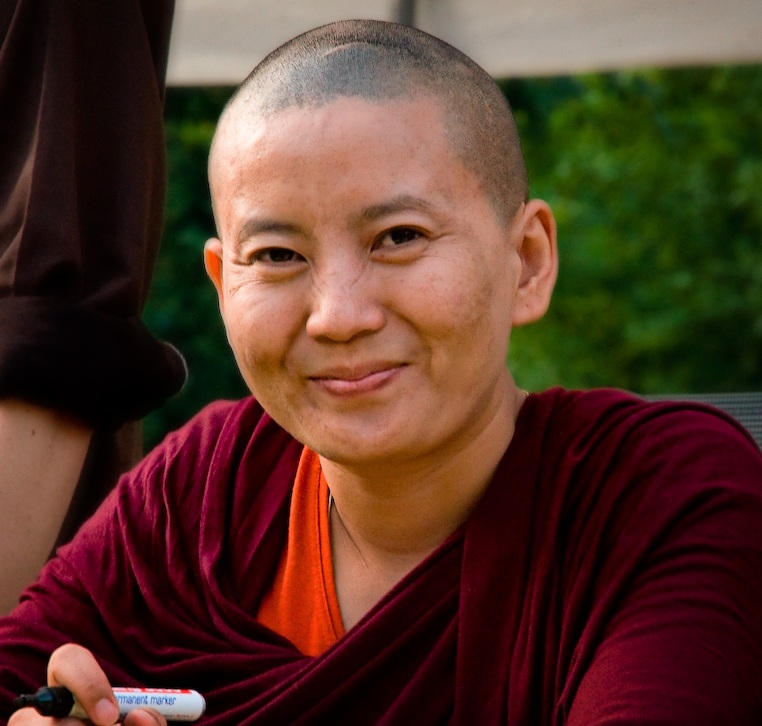
RUPANDEHI, Nepal: Protests have erupted in Lumbini following the government’s decision to appoint Ani Choying Drolma as Executive Vice-Chairperson of the Lumbini Development Trust, with a local campaign demanding that the appointment be reconsidered.
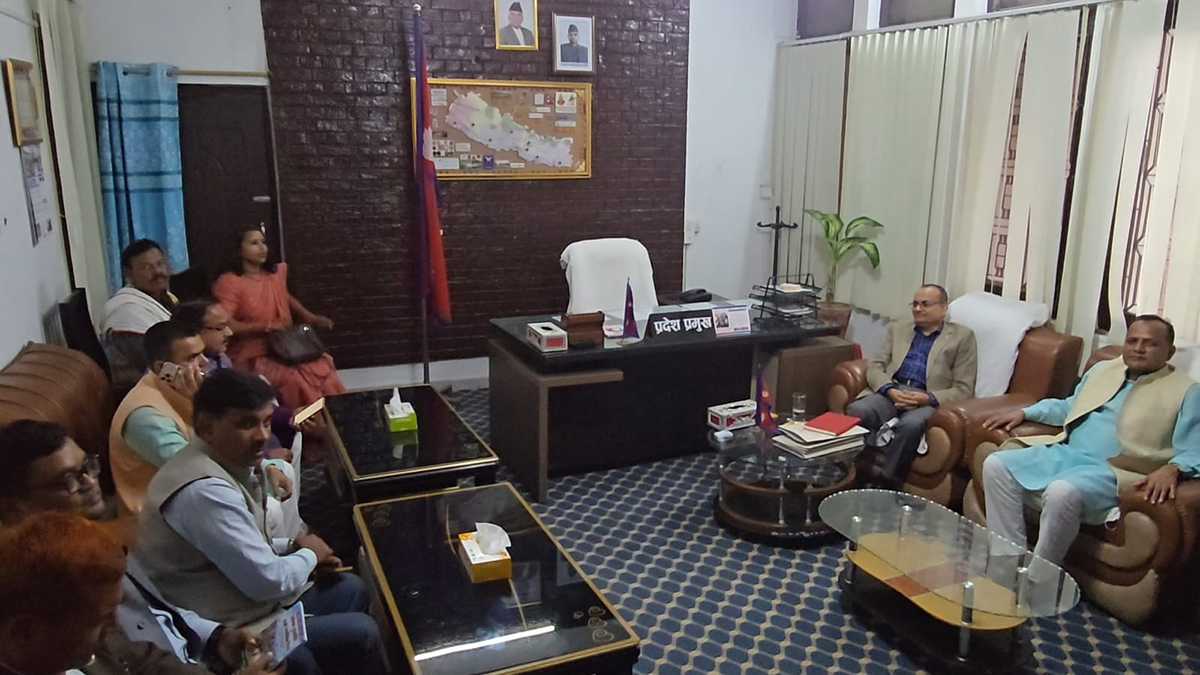
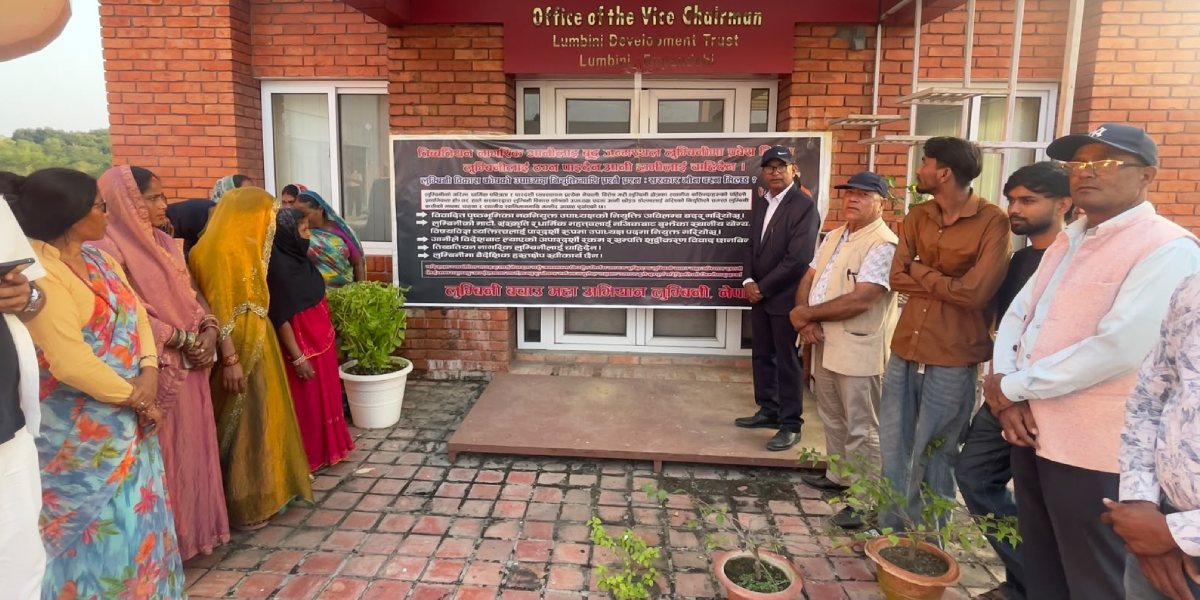 The government appointed Drolma on October 16, but the decision became public only recently, according to the report. Following its disclosure, a group of local residents staged a protest at the Trust’s premises.
The Lumbini Bachau Maha Abhiyan (Save Lumbini Campaign) has also announced an initiative to oppose Drolma’s entry into the Lumbini area and urged the government to reverse its decision.
Campaign coordinator Akram Khan said the appointment had disregarded local sentiments and disrespected the community. The campaign argues that appointments to an institution of Lumbini’s religious and cultural significance should take into account the concerns of local residents and the principles of Buddhist philosophy.
According to campaign co-coordinator Laxmi Tharu, demonstrators placed a banner outside the vice-chairperson’s office to express their opposition to the appointment.
Ram Bikash Chaudhary, another co-coordinator, said the campaign was concerned that local priorities and the values associated with Lumbini had not been adequately considered in the appointment process.
“The Lumbini Bachau Maha Abhiyan strongly objects to the appointment. We believe it goes against local sentiments and the essence of Buddhist philosophy, and we have urged the government to correct its decision,” Chaudhary said.
Questions Raised Over Appointment Process
The campaign has questioned the criteria used to select the executive vice-chairperson, alleging that financial influence may have been given greater importance than local concerns and the institution’s responsibilities.
Campaign representatives have also raised questions about Drolma’s citizenship status, financial sources and property-related matters. However, the allegations have not been independently verified in the available information, and no official findings or response from Drolma were provided in the report.
Meghnath Acharya, a tourism entrepreneur and campaign activist, said the controversy could affect the reputation of Lumbini. He stressed that the person leading the Trust should understand local concerns and be capable of coordinating with national and international institutions.
Campaign Seeks Government Intervention
The Lumbini Development Trust plays a significant role in managing and promoting Lumbini, a major Buddhist pilgrimage destination and an important part of Nepal’s cultural and religious heritage.
The Trust’s chairperson is the tourism minister, while the executive vice-chairperson holds a key role in its day-to-day administration and management. Campaign representatives argue that leadership appointments should consider institutional responsibilities, local participation and the region’s religious significance.
The campaign says it represents more than 5,000 members associated with various organisations in the Lumbini area. It has begun seeking the attention of leaders, lawmakers and ministers from the Rastriya Swatantra Party regarding the appointment.
The campaign has called on the government to explain the basis for its decision, engage with local communities and reconsider the appointment.
The controversy highlights growing calls for greater transparency and consultation with local stakeholders in the management of Lumbini’s religious and cultural heritage. An official response from the government and the Trust would help clarify the issues raised by the campaign.